
Plant-based food packaging has become a popular alternative to traditional plastic packaging. It is made from organic, renewable materials sourced from plants. It is also biodegradable and eco-friendly.
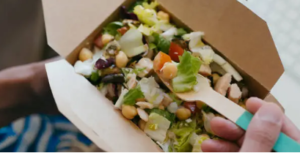 Manufacturers of plant-based packaging must comply with stringent regulations for food safety. They must submit critical data points to the FDA and perform a series of tests before using this material for food. For more information about the plant-based packaging for food, click here.
Bioplastic
The development of bioplastics for food packaging has been driven by the need to find alternatives to fossil plastics that are harmful to the environment. These eco-friendly materials can be made from renewable sources and are fully or partially biodegradable. They are also more sustainable than their petroleum-based counterparts.
Currently, several commercial bioplastics are available, including polyethylene glycol (PEG), bio-PET, and lignocellulose-based PLA (NatureWorks). These products are made from agricultural byproducts, such as glycerol and starch, or the cellulolytic breakdown of plants. Bioplastics have many benefits, including lower greenhouse gas emissions, cost-effectiveness, and good mechanical properties.
However, the production of bioplastics can have negative environmental impacts. The production of bioplastics is often more energy-intensive than the production of traditional plastics. In addition, they may compete with crops and require complex processing. Moreover, the current labelling and life cycle assessment standards for these products must be improved to address sustainability concerns and eliminate ‘greenwashing’.
Cornstarch
Cornstarch packaging is one of the most eco-friendly plastics-alternative solutions available. It’s made from renewable resources and has a lower environmental impact than traditional plastic. Plus, it doesn’t release any harmful toxins into food.
Corn starch is an effective alternative to polystyrene and can be used to make various products, including cups, bowls, and plates. It’s also compostable, making it an excellent choice for businesses that want to be more environmentally conscious.
Cornstarch is derived from the endosperm of corn kernels. It’s sometimes mixed with water or other liquids to thicken sauces, puddings, soups, and pie fillings. It’s also used in some baking recipes, such as shortbread and cookies. Cornstarch is also used in cooking and cleaning products, such as shampoos and liquids. It can even be used to help reduce the growth of mould and mildew in your home. However, it’s essential to store cornstarch properly since it can absorb moisture easily.
Biodegradable materials
Biodegradable materials are made of organic waste and can be broken down into carbon dioxide, water, methane, compost, and simple organic molecules by microorganisms. They are sustainable and cheap to produce. Non-biodegradable materials, on the other hand, remain in the ecosystem for a long time and create pollution. Some examples include metals, plastics, and chemicals.
The biodegradability of food packaging is an essential issue because it impacts the environment. Some biodegradable products may take decades to break down, while others can take just weeks. However, some biodegradable packaging is still harmful to the environment.
Sustainability
In a perfect world, food would come with sustainable packaging – from the gorgeous yellow banana peel to the silky green husk of an ear of corn. Sadly, not all foods do, but we can now offer eco-friendly alternatives thanks to innovations in plant-based materials.
These plastics and other materials are made from natural, renewable resources – such as bagasse, cornstarch, moulded fibre, and bamboo pulp. And because they’re compostable, you can rest assured that your food packaging is environmentally friendly.
Bio-based plastics and other materials decompose much more quickly than synthetic products. It reduces waste accumulation and helps combat the global waste crisis. This type of packaging also benefits from its versatility and can be used for many different applications, from yogurt tubs to meat trays to takeaway containers and disposable cutlery.
Although plant-based food packaging is an excellent alternative to petroleum-based materials, there are a few areas where further research is required in order to ensure that it meets all regulatory requirements. For example, it is not yet known whether or not certain ingredients present in plant-based food packaging can migrate into the foods they encase. It is an area of concern for consumers who have adopted plant-based diets and want to know that the food they are eating is safe and healthy. Food companies can mitigate this issue by ensuring that their plant-based packaging complies with the FDA’s premarket notification process.