
The right mens hiking shoes can make hiking a comfortable and enjoyable experience. But finding the right ones can be overwhelming.
Shop at an outdoor retailer with a good return policy and try on footwear in the afternoon when your feet are most swollen. Be sure to wear the socks you plan to hike in, as these can also affect fit.
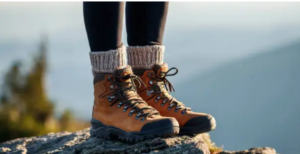 Comfort
The most important factor when selecting hiking shoes or boots is comfort. Hiking footwear should fit snugly enough to keep your feet from sliding around inside but not so tight as to cause blisters and other foot problems. You also want to make sure you have enough space in your shoes to wiggle your toes. And it is always a good idea to try on footwear at the end of the day when our feet tend to swell.
When choosing hiking shoes, you should also consider the type of terrain you typically hike and your experience level. If you’re a beginner, go for something a little lighter and easier to walk in so you don’t over-tax your feet. For experienced hikers, look for more sturdy, technical hiking shoes that offer the ankle stability you need.
The materials used to construct mens hiking shoes and boots also play a major role in comfort. Leather hiking shoes may seem old-fashioned, but they are incredibly durable, and they break in nicely to fit the shape of your feet over time, becoming softer and more comfortable as they age. Synthetic hiking shoes and boots are another popular choice for modern hikers because they are lightweight, quick to dry, and can take on a variety of trail conditions. They also require less maintenance than leather hiking shoes and boots.
Durability
The stability of a hiking shoe depends on the cushioning, medial support and the shape of the last. A stable shoe resists compression, while flexible shoes twist easily. Some manufacturers also add insoles to increase stability. For example, a moulded or cushioned EVA insole is often found in light hiking shoes to reduce impact shock. On the other hand, a TPU insole offers durability but is less relaxing. Many hikers choose to combine these two insole types by adding a layer of EVA over the TPU shank or frame.
Grip
If your feet slide around inside your shoes even when they’re tied tightly, it’s a bad fit. It is a recipe for blisters and banged-up toenails on the trail.
Hiking footwear should provide room for your toes to spread, have cushioning that supports the shape of your foot, and be laced with a system designed to secure your heel.
The type of hiking shoe you choose should be based on your experience level and the types of trails you hike. For example, if you’re new to the sport, you might want to consider a less expensive, lightweight shoe with a lower profile for greater comfort and easier mobility. If you hike more advanced trails, however, you might want a heavier boot with a stiffer sole for support and protection against snags and rocks.
Style
While it may seem obvious, the right fit is essential in any shoe or boot. Too loose and they won’t be secure enough to support your foot. Too tight, and you risk blisters. You can find an expert at a specialty shoe store who will measure your feet and help you figure out the right size, but you can also learn a lot by simply trying on shoes in a variety of styles and fits.
When you are shopping for mens hiking shoes, it is best to go a little larger than you think you need. Feet swell during long days on the trail, and too small a shoe or boot will be uncomfortable. When you are testing fit, make sure that the tips of your toes don’t hit the front of the shoe or boot when they are laced.