
Commercial refrigeration units have become an indispensable part of our daily lives, playing a crucial role in preserving and maintaining the quality of perishable goods. From supermarkets and restaurants to pharmaceutical industries and research laboratories, the demand for effective refrigeration solutions has grown exponentially. This article explores the evolution of commercial refrigeration units Melbourne, their significance in various sectors, and the latest technological advancements that are shaping the industry.
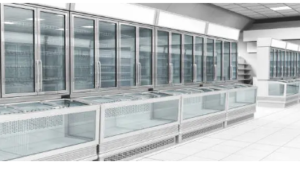 The concept of refrigeration dates back to ancient times when ice and snow were used to preserve food. However, it was only in the 19th century that refrigeration technology began to advance significantly. The invention of the first commercial ice-making machine in the 1850s marked the beginning of a new era. As industries expanded and urbanization increased, the need for reliable refrigeration systems became apparent.
In the late 19th century, we witnessed the development of the first mechanical refrigeration systems. Pioneering inventors like Carl von Linde and Ferdinand Carré played key roles in creating the foundation for modern refrigeration. The introduction of the first commercial refrigeration units in the early 20th century revolutionized the food distribution and storage industry. This innovation allowed businesses to extend the shelf life of perishable goods, reducing waste and improving overall efficiency.
One of the primary sectors that benefited from commercial refrigeration was the food industry. Refrigerated storage and transportation enabled food producers to reach distant markets, ensuring a year-round supply of perishable products. Supermarkets and grocery stores adopted refrigeration systems to provide customers with a wide variety of fresh produce, dairy, and meat products. The ability to maintain optimal storage conditions significantly impacted food safety, hygiene, and overall quality.
Walk-in refrigerators and freezers, as integral commercial refrigeration units, became standard in restaurant kitchens, providing ample space for storing large quantities of food at optimal temperatures. It not only facilitated efficient kitchen operations but also contributed to cost savings by reducing food spoilage.
In addition to the food industry, commercial refrigeration plays a critical role in the healthcare and pharmaceutical sectors. Temperature-sensitive medications, vaccines, and biological samples require precise storage conditions to maintain their efficacy. Specialized medical refrigerators and freezers are designed to meet these stringent requirements, ensuring the integrity of pharmaceutical products and enabling medical professionals to deliver high-quality healthcare.
Over the years, technological advancements have propelled commercial refrigeration to new heights. The introduction of energy-efficient systems, digital temperature controls, and smart monitoring solutions has enhanced the performance and sustainability of refrigeration units. Moreover, the use of environmentally friendly refrigerants, such as hydrofluorocarbons (HFCs) and hydrochlorofluorocarbons (HCFCs), reflects the industry’s commitment to reducing its environmental impact.
The Internet of Things (IoT) has brought a new dimension to commercial refrigeration. Smart refrigeration systems equipped with sensors and connectivity features allow businesses to monitor and control their units remotely. It improves not only operational efficiency but also enables real-time tracking of temperature conditions, helping prevent potential issues and ensuring compliance with regulatory standards.
With the continuously growing emphasis on environmental sustainability, manufacturers are focusing on developing energy-efficient refrigeration solutions. The adoption of advanced insulation materials, variable speed compressors, and heat recovery systems has led to significant improvements in energy efficiency. Businesses are increasingly recognizing the long-term benefits of investing in eco-friendly refrigeration technologies, including reduced energy consumption and lower operating costs.
While commercial refrigeration has come a long way, it still faces challenges, such as the ongoing transition to alternative refrigerants to mitigate environmental impact. Additionally, the industry is adapting to evolving regulations and standards governing refrigeration practices. Looking ahead, future trends in commercial refrigeration include the integration of artificial intelligence for predictive maintenance, the development of sustainable cooling solutions, and continued advancements in energy efficiency.
Commercial refrigeration has evolved from the early days of ice-based preservation to sophisticated, energy-efficient commercial refrigeration units Melbourne that play a pivotal role in various industries. Its impact on the food supply chain, healthcare, and pharmaceutical sectors cannot be overstated. As technology continues to advance, the industry is poised for further innovation, ensuring that businesses can meet the excessively growing demand for efficient and sustainable refrigeration solutions in the modern world.