Commercial Refrigeration Melbourne: The Evolution and Importance of Commercial Refrigeration in the Modern World

Commercial refrigeration units have become an indispensable part of our daily lives, playing a crucial role in preserving and maintaining the quality of perishable goods. From supermarkets and restaurants to pharmaceutical industries and research laboratories, the demand for effective refrigeration solutions has grown exponentially. This article explores the evolution of commercial refrigeration units Melbourne, their significance in various sectors, and the latest technological advancements that are shaping the industry.
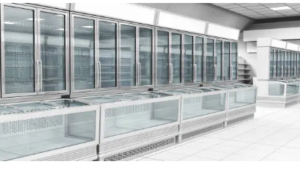
commercial refrigeration units MelbourneThe concept of refrigeration dates back to ancient times when ice and snow were used to preserve food. However, it was only in the 19th century that refrigeration technology began to advance significantly. The invention of the first commercial ice-making machine in the 1850s marked the beginning of a new era. As industries expanded and urbanization increased, the need for reliable refrigeration systems became apparent.

In the late 19th century, we witnessed the development of the first mechanical refrigeration systems. Pioneering inventors like Carl von Linde and Ferdinand Carré played key roles in creating the foundation for modern refrigeration. The introduction of the first commercial refrigeration units in the early 20th century revolutionized the food distribution and storage industry. This innovation allowed businesses to extend the shelf life of perishable goods, reducing waste and improving overall efficiency.

One of the primary sectors that benefited from commercial refrigeration was the food industry. Refrigerated storage and transportation enabled food producers to reach distant markets, ensuring a year-round supply of perishable products. Supermarkets and grocery stores adopted refrigeration systems to provide customers with a wide variety of fresh produce, dairy, and meat products. The ability to maintain optimal storage conditions significantly impacted food safety, hygiene, and overall quality.

Walk-in refrigerators and freezers, as integral commercial refrigeration units, became standard in restaurant kitchens, providing ample space for storing large quantities of food at optimal temperatures. It not only facilitated efficient kitchen operations but also contributed to cost savings by reducing food spoilage.

In addition to the food industry, commercial refrigeration plays a critical role in the healthcare and pharmaceutical sectors. Temperature-sensitive medications, vaccines, and biological samples require precise storage conditions to maintain their efficacy. Specialized medical refrigerators and freezers are designed to meet these stringent requirements, ensuring the integrity of pharmaceutical products and enabling medical professionals to deliver high-quality healthcare.

Over the years, technological advancements have propelled commercial refrigeration to new heights. The introduction of energy-efficient systems, digital temperature controls, and smart monitoring solutions has enhanced the performance and sustainability of refrigeration units. Moreover, the use of environmentally friendly refrigerants, such as hydrofluorocarbons (HFCs) and hydrochlorofluorocarbons (HCFCs), reflects the industry’s commitment to reducing its environmental impact.

The Internet of Things (IoT) has brought a new dimension to commercial refrigeration. Smart refrigeration systems equipped with sensors and connectivity features allow businesses to monitor and control their units remotely. It improves not only operational efficiency but also enables real-time tracking of temperature conditions, helping prevent potential issues and ensuring compliance with regulatory standards.

With the continuously growing emphasis on environmental sustainability, manufacturers are focusing on developing energy-efficient refrigeration solutions. The adoption of advanced insulation materials, variable speed compressors, and heat recovery systems has led to significant improvements in energy efficiency. Businesses are increasingly recognizing the long-term benefits of investing in eco-friendly refrigeration technologies, including reduced energy consumption and lower operating costs.

While commercial refrigeration has come a long way, it still faces challenges, such as the ongoing transition to alternative refrigerants to mitigate environmental impact. Additionally, the industry is adapting to evolving regulations and standards governing refrigeration practices. Looking ahead, future trends in commercial refrigeration include the integration of artificial intelligence for predictive maintenance, the development of sustainable cooling solutions, and continued advancements in energy efficiency.

Commercial refrigeration has evolved from the early days of ice-based preservation to sophisticated, energy-efficient commercial refrigeration units Melbourne that play a pivotal role in various industries. Its impact on the food supply chain, healthcare, and pharmaceutical sectors cannot be overstated. As technology continues to advance, the industry is poised for further innovation, ensuring that businesses can meet the excessively growing demand for efficient and sustainable refrigeration solutions in the modern world.

Mens Shoes: Mens Shoes for Hiking

The right mens hiking shoes can make hiking a comfortable and enjoyable experience. But finding the right ones can be overwhelming.

Shop at an outdoor retailer with a good return policy and try on footwear in the afternoon when your feet are most swollen. Be sure to wear the socks you plan to hike in, as these can also affect fit.

mens hiking shoesComfort

The most important factor when selecting hiking shoes or boots is comfort. Hiking footwear should fit snugly enough to keep your feet from sliding around inside but not so tight as to cause blisters and other foot problems. You also want to make sure you have enough space in your shoes to wiggle your toes. And it is always a good idea to try on footwear at the end of the day when our feet tend to swell.

When choosing hiking shoes, you should also consider the type of terrain you typically hike and your experience level. If you’re a beginner, go for something a little lighter and easier to walk in so you don’t over-tax your feet. For experienced hikers, look for more sturdy, technical hiking shoes that offer the ankle stability you need.

The materials used to construct mens hiking shoes and boots also play a major role in comfort. Leather hiking shoes may seem old-fashioned, but they are incredibly durable, and they break in nicely to fit the shape of your feet over time, becoming softer and more comfortable as they age. Synthetic hiking shoes and boots are another popular choice for modern hikers because they are lightweight, quick to dry, and can take on a variety of trail conditions. They also require less maintenance than leather hiking shoes and boots.

Durability

The stability of a hiking shoe depends on the cushioning, medial support and the shape of the last. A stable shoe resists compression, while flexible shoes twist easily. Some manufacturers also add insoles to increase stability. For example, a moulded or cushioned EVA insole is often found in light hiking shoes to reduce impact shock. On the other hand, a TPU insole offers durability but is less relaxing. Many hikers choose to combine these two insole types by adding a layer of EVA over the TPU shank or frame.

Grip

If your feet slide around inside your shoes even when they’re tied tightly, it’s a bad fit. It is a recipe for blisters and banged-up toenails on the trail.

Hiking footwear should provide room for your toes to spread, have cushioning that supports the shape of your foot, and be laced with a system designed to secure your heel.

The type of hiking shoe you choose should be based on your experience level and the types of trails you hike. For example, if you’re new to the sport, you might want to consider a less expensive, lightweight shoe with a lower profile for greater comfort and easier mobility. If you hike more advanced trails, however, you might want a heavier boot with a stiffer sole for support and protection against snags and rocks.

Style

While it may seem obvious, the right fit is essential in any shoe or boot. Too loose and they won’t be secure enough to support your foot. Too tight, and you risk blisters. You can find an expert at a specialty shoe store who will measure your feet and help you figure out the right size, but you can also learn a lot by simply trying on shoes in a variety of styles and fits.

When you are shopping for mens hiking shoes, it is best to go a little larger than you think you need. Feet swell during long days on the trail, and too small a shoe or boot will be uncomfortable. When you are testing fit, make sure that the tips of your toes don’t hit the front of the shoe or boot when they are laced.

Garden Designer Adelaide: The Perks of Working with Garden Designer Adelaide

A garden designer Adelaide should be able to offer design realisation services (helping you create the garden in reality). A well-designed garden is visually pleasing, enjoyable to be in, makes you proud of your outdoor space and can add value to your property.

  1. Experience

4WD Vehicle Service Adelaide: 4WD Vehicle Service Adelaide – Reasons Why It’s ImportantA garden designer brings a fresh pair of eyes to the design process and can offer ideas that aren’t immediately apparent from your vision. They will also have experience dealing with the local climate, soil and plantings that are most appropriate for your location – ensuring your garden is designed to be easy to maintain, low risk of disease or damage, and will thrive over time.

They can help to spruce up an existing outdoor space or create a whole new garden from scratch. A garden designer will take the time to get to know you, your family and your lifestyle. They’ll use this information to help transform your outdoor space into a functional and aesthetically pleasing extension of your home.

A good garden designer will devise designs with your budget in mind, helping you to stay within your cost expectations. They’ll also be able to advise you on which materials are likely to be cheaper than others and how best to make use of any existing hard landscaping features (e.g. retaining walls).

  1. Portfolio

As well as design, a good garden designer can help with ‘design realisation’ or ‘project management’ to ensure that the project is delivered to a high standard and within budget. It can include sourcing the correct products, estimating materials/labour costs, managing contractors and other professionals on-site to ensure that CDM regulations are being met, coordinating with suppliers or manufacturers and liaising with clients to make sure that the design is being realised as intended.

A good garden designer will always be able to work to your budget and should always work to a timescale. They will be able to provide you with a cost breakdown for each element of the design, and if they have a landscaping/construction team in-house, they can also quote as one overall cost which is a huge advantage when working on a garden project.

  1. Fees

Garden designers charge for their time and expertise. Many are members of professional bodies who have been vetted and awarded accreditation, and this may result in higher fees. However, it shouldn’t be the only factor you consider, particularly if they are highly recommended or have a reputation for beautiful work and innovation.

A good designer will ask questions about your needs and lifestyle, for example, what you want to use in the garden, e.g. seating, vegetables, entertaining, children’s play, or wildlife. They will also consider the site, soil conditions and light. They will then produce a concept design, which will be either a drawing or a 3D computer model and will transform your ideas into something practical to build. They will also provide specifications and contractor drawings to ensure the garden is built correctly and will oversee contractors as they carry out the work.

  1. Reputation

Beautifying your garden can dramatically increase the value of your home. However, re-designing a garden is more time-consuming and complicated than many imagine. It requires a huge amount of project managing and coordinating workers, plans and suppliers. It also needs to be done correctly to withstand the elements.

Professional garden designers are skilled specialists in the master planning of landscapes and gardens. They consult with clients, provide advice and, prepare drawings, as well as supply plants and materials and oversee the development of gardens from concepts to construction.

A garden designer Adelaide is also adept at understanding a budget and delivering designs that balance your aspirations with your financial objectives. They will often ask questions that may seem obvious but can make a difference to the outcome of your garden.


Plant-based Packaging: Plant-Based Packaging For Food

Plant-based food packaging has become a popular alternative to traditional plastic packaging. It is made from organic, renewable materials sourced from plants. It is also biodegradable and eco-friendly.

plant-based packaging for foodManufacturers of plant-based packaging must comply with stringent regulations for food safety. They must submit critical data points to the FDA and perform a series of tests before using this material for food. For more information about the plant-based packaging for food, click here.
Bioplastic

The development of bioplastics for food packaging has been driven by the need to find alternatives to fossil plastics that are harmful to the environment. These eco-friendly materials can be made from renewable sources and are fully or partially biodegradable. They are also more sustainable than their petroleum-based counterparts.

Currently, several commercial bioplastics are available, including polyethylene glycol (PEG), bio-PET, and lignocellulose-based PLA (NatureWorks). These products are made from agricultural byproducts, such as glycerol and starch, or the cellulolytic breakdown of plants. Bioplastics have many benefits, including lower greenhouse gas emissions, cost-effectiveness, and good mechanical properties.

However, the production of bioplastics can have negative environmental impacts. The production of bioplastics is often more energy-intensive than the production of traditional plastics. In addition, they may compete with crops and require complex processing. Moreover, the current labelling and life cycle assessment standards for these products must be improved to address sustainability concerns and eliminate ‘greenwashing’.

Cornstarch

Cornstarch packaging is one of the most eco-friendly plastics-alternative solutions available. It’s made from renewable resources and has a lower environmental impact than traditional plastic. Plus, it doesn’t release any harmful toxins into food.

Corn starch is an effective alternative to polystyrene and can be used to make various products, including cups, bowls, and plates. It’s also compostable, making it an excellent choice for businesses that want to be more environmentally conscious.

Cornstarch is derived from the endosperm of corn kernels. It’s sometimes mixed with water or other liquids to thicken sauces, puddings, soups, and pie fillings. It’s also used in some baking recipes, such as shortbread and cookies. Cornstarch is also used in cooking and cleaning products, such as shampoos and liquids. It can even be used to help reduce the growth of mould and mildew in your home. However, it’s essential to store cornstarch properly since it can absorb moisture easily.

Biodegradable materials

Biodegradable materials are made of organic waste and can be broken down into carbon dioxide, water, methane, compost, and simple organic molecules by microorganisms. They are sustainable and cheap to produce. Non-biodegradable materials, on the other hand, remain in the ecosystem for a long time and create pollution. Some examples include metals, plastics, and chemicals.

The biodegradability of food packaging is an essential issue because it impacts the environment. Some biodegradable products may take decades to break down, while others can take just weeks. However, some biodegradable packaging is still harmful to the environment.

Sustainability

In a perfect world, food would come with sustainable packaging – from the gorgeous yellow banana peel to the silky green husk of an ear of corn. Sadly, not all foods do, but we can now offer eco-friendly alternatives thanks to innovations in plant-based materials.

These plastics and other materials are made from natural, renewable resources – such as bagasse, cornstarch, moulded fibre, and bamboo pulp. And because they’re compostable, you can rest assured that your food packaging is environmentally friendly.

Bio-based plastics and other materials decompose much more quickly than synthetic products. It reduces waste accumulation and helps combat the global waste crisis. This type of packaging also benefits from its versatility and can be used for many different applications, from yogurt tubs to meat trays to takeaway containers and disposable cutlery.

Although plant-based food packaging is an excellent alternative to petroleum-based materials, there are a few areas where further research is required in order to ensure that it meets all regulatory requirements. For example, it is not yet known whether or not certain ingredients present in plant-based food packaging can migrate into the foods they encase. It is an area of concern for consumers who have adopted plant-based diets and want to know that the food they are eating is safe and healthy. Food companies can mitigate this issue by ensuring that their plant-based packaging complies with the FDA’s premarket notification process.

Varicose Vein Removal Adelaide: Varicose Vein Removal and Medical Coverage

Varicose veins can cause a lot of pain and discomfort. Fortunately, there are ways to manage them. For example, you can wear compression stockings or elevate your legs to help blood return to the heart.


Varicose veins are enlarged superficial (close to the surface) veins in your legs. They can resemble bluish-purple bulges. For more information about the varicose vein removal Adelaide medical coverage, click here.


Endovenous Ablation

Varicose veins are not a medically serious condition, but the presence of varicose veins can be unsightly and uncomfortable. Treatment for this condition is available from private clinics in Adelaide and across Australia. These treatments are generally quite expensive. However, some of these treatments may be eligible for Medicare rebates. These rebates typically cover 75-85% of the cost of the procedure.


Endovenous ablation is a minimally invasive, image-guided procedure using laser energy or radiofrequency to destroy and close the diseased varicose veins. The varicose vein is destroyed without harming the surrounding tissue, and blood is rerouted to other healthy veins in the leg. The treated varicose vein eventually shrinks, seals and eventually disappears as the body naturally resorbs it.


The procedure is performed in an outpatient setting. It is usually done by a phlebologist, interventional radiologist or vascular surgeon. During the procedure, a small needle is inserted into the varicose vein with the assistance of ultrasound for guidance. A guidewire is then inserted through the needle, and the tip of a laser fibre is placed in the vein and activated. The laser fibre is withdrawn, and its heat energy cauterizes (burns) the inside of the varicose vein, sealing it closed. For more information about the varicose vein removal Adelaide medical coverage, click here.


After the procedure, patients should wear compression stockings for 2-4 weeks. They should also take analgesics as directed by their physician. Some patients experience mild discomfort in the first few days, but most can return to work within a few days after their procedure.


varicose vein removal Adelaide medical coverageMost private health insurance providers in Australia have some form of coverage for this treatment, including various hospital treatments. The coverage levels are typically broken down into tiers, with bronze or higher usually covering the costs of most hospital treatments. You must check with your health fund about what specific varicose vein removal treatment they cover and how much you must pay out of pocket.

 

Sclerotherapy

Varicose veins are caused by weakened valves in the vein walls that allow blood to flow in one direction only. It can result from ageing, pregnancy or long periods of standing or sitting. When these valves weaken, they can allow blood to leak backwards through the weakened vein walls, leading to an enlarged and unsightly varicose or spider vein.


Several minimally invasive treatments can be used to remove varicose or spider veins, including sclerotherapy. A specialist injects a liquid or foam substance into the dysfunctional veins during this procedure. The injections are usually performed using a small needle, and the results are quick, effective and permanent. Unlike surgery, sclerotherapy is a safe procedure that does not require a general anaesthetic or hospital stay and can be used on more prominent varicose and smaller spider or reticular veins. For more information about the varicose vein removal Adelaide medical coverage, click here.


You may experience some pain or discomfort during the procedure, but this is minimal and can vary from person to person. After the process, you will need to wear compression stockings, and your specialist will advise how long you need to wear them. You must also avoid exposing the treated area to sunlight or long flights and avoid excessive heavy exercise.


Sclerotherapy is an effective treatment option for varicose or spider veins and can be covered by private health insurance or Medicare rebates. The amount of rebate you receive will depend on the type and extent of the varicose veins being treated.

Verandahs Adelaide: Verandah Ideas Adelaide – How to Turn Your Front Verandah Into an Alfresco Paradise

Entertaining outdoors has become an essential part of Adelaide’s culture. New homes often feature Alfresco areas as standard in the design. Homeowners across the suburbs are also updating their landscape designs.


Verandahs are large roofed areas extending from the eaves of your house. They are ideal for entertaining and can protect plants from harsh sunlight. For more verandahs ideas Adelaide, click here.


Mirrors

verandahs ideas AdelaideMirrors are practical design tools that work in both indoor and outdoor spaces. They can amplify greenery, especially in front of lush gardens or bushes. They can also create a feeling of depth in a small space. However, they should not be placed near shrubs and plants that the reflection could damage.

 

A verandah is an enclosed space built in various styles and materials. It is generally attached to the house and can be a single or multi-sided structure. It protects the residents from rain, wind, sun, and other weather elements.


A verandah can be made of wood or metal sheets and built on one, two, three, or four sides. It can be designed with a flat or skillion roof and connected to other buildings on the property. It is essential to consult with a registered verandah builder before choosing the right design and material.


Art Pieces

When it comes to decorating your verandah, there are many different things you can do. One expert-recommended idea is to hang some art pieces. These can be paintings or even sculptures. These decorations will add a touch of elegance and class to your home. They will also make your verandah a great place to entertain guests or relax and enjoy the beautiful scenery.


You can also hang some photos on the wall of your verandah. It is an excellent way to show off your family and friends. It will also remind you of the times you spent together with them. If you have a lot of photos, you can ask your verandah Adelaide contractor to create a framed wall for them. They can also be placed in a glass cabinet. It will make the area more visually appealing and can even double as storage. You can also choose the colour and profile of your verandah. Generally, it would be best if you matched it with your roof type.

Plants

A verandah is a great place to plant flowers, plants, and trees. Using the space for growing herbs, vegetables, and other edible plants is also a good idea.


If you want a custom design and build of a new verandah, contact the experts at Rite Price. They specialise in constructing various quality timber and steel verandahs that Adelaide homeowners love. They use top-of-the-line Fielders products and low-maintenance Colorbond roofs, available in multiple colours to match your home. To get started, call the team today! They are happy to provide a free quote on your project. For more verandahs ideas Adelaide, click here.


Furniture

Verandahs are a perfect outdoor home spot for gathering with friends and family. Adding furniture as part of your verandah design ideas is one way to turn your front verandah into a relaxing paradise outside your door.


A framed photo wall is an excellent option for verandahs, as it can remind you of your favourite memories. You can also install a sofa swing to bring your verandah to life and make it even more comfortable. You can add step lights to your patio for a safer nighttime environment.


A verandah – a cool, chilled-out summer space that transforms into an intimate, cosy winter outdoor area – adds value to any home and is a great place for relaxing, dining and socialising. It extends your personal living space, allowing you to enjoy the outdoors no matter what the weather brings and makes a big difference in the appearance of your house. A verandah can wrap around your whole home or extend along one side. It can also include louvre windows, an adjustable roof or even a retractable awning to protect from the sun.

Speech Therapy Adelaide: Kid Sense Speech Therapy in Adelaide

Kid Sense Speech Therapy is committed to helping children overcome communication, play and learning developmental challenges. Our clinicians work with kids in the home, child care and kindergarten environments, and schooling settings.

speech therapy in AdelaideWe have specialised expertise in speech, language, cognitive communication and oral/feeding/swallowing disorders. We offer a multi-disciplinary approach with on-site occupational therapy services. For more speech therapy in Adelaide, check this out.

What is speech therapy?

Speech therapy involves a long series of treatment sessions, one-on-one or in groups. It also consists of various exercises for you to do at home. It is important because therapy aims to develop skills that can be used in any environment, not just in one specific setting with a therapist.

Children with articulation disorders (such as a lisp or swapping certain sounds for others) may significantly improve with appropriate treatment. Those with fluency disorders (such as stuttering or cluttering) might be able to reduce the number of pauses in their speech or enhance the speed and smoothness of their speech.

For those with voice disorders such as chronic cough or paradoxical vocal fold dysfunction, referral to a joint ENT/speech pathologist examination and treatment may be beneficial. Some statutory health insurance covers these costs. Others have a fixed amount you need to pay yourself, known as a copayment. You can check what is covered with your statutory health insurance here.

What are the benefits of speech therapy?

It can also help people with stuttering, articulation or phonological disorders and address literacy and language delays and impairments. It can even help those who have difficulty swallowing or eating. In addition to improving speaking skills, it can also improve other skills like social and pragmatic language skills.

It can help improve receptive language in children with autism or Down syndrome by assisting them to understand the meanings of words and sentences. It can also help kids with behavioural issues that their lack of communication skills may cause. For this reason, children with speech issues must receive therapy early on to get the most benefit. Thankfully, statutory health insurance schemes often cover this treatment.

How do I know if I need speech therapy?

If your child has difficulty talking, understanding and using language or has a swallowing disorder, it may be time to see a Speech Pathologist. Talk to your GP, child and family health nurse or contact Pop’s and book a free consultation.

A speech and language assessment will help your Speech Pathologist understand what needs to be done. They can then tailor therapy sessions to your child’s needs. Therapy can occur in clinical spaces, patient homes or through telehealth.

Difficulty following instructions, poor grammar, stuttering (stammering) or weak oral motor skills also indicate the need for intervention. You can ask your GP for a referral or check with private health insurance and NDIS to see if you are eligible for additional rebates. For more speech therapy in Adelaide, check this out.

How do I find a speech therapist?

Talking to your GP or health visitor is the first step if you have concerns about your child’s speech and language. They will be able to refer you to a local speech pathologist. You can also find them through online directories or on state associations’ websites.

Your therapist will get to know you or your child and create a safe environment where they feel comfortable expressing themselves. Based on their evaluation, they will then develop a speech and language therapy plan. This plan will outline specific speech and language goals to focus on during sessions.

At ABA for Change, we believe parents are critical to your child’s success. A combination of speech therapy and applied behaviour analysis is the best approach for children with communication difficulties. Our speech pathologists work around Adelaide, Fleurieu Peninsula and some country areas, offering in-home visits. Book a free introductory call today! For more speech therapy in Adelaide, check this out.

Baling Twine: Strong Baling Twine Is Essential For Any Farming Operation

Strong baling twine is essential for any farming operation, whether you’re baling hay or building a strawbale house. We stock a variety of quality baler twine to fit all types of balers.

strong baling twineAlways check the real runnage on the twine as compared to its type number. It will give a much better indication of the twine’s actual strength. For strong baling twine, click here.

Polypropylene

Polypropylene is an excellent choice for baling twine and is used by many farmers. It does not absorb moisture and has a high melting point, which makes it resistant to mould and bacteria. It allows it to be recycled more quickly than other plastics and withstand repeated use.

It also has a low density, making it easier to transport and handle. Additionally, it has fatigue resistance and elasticity, which protects against general wear and tear. It is also resistant to mildew, rot, and bacteria.

Using strong baling twine made from this material will help you save money on repairs and increase the longevity of your machinery. You can also find it in various colours and sizes, including multiple diameters to accommodate different machines. It would be best if you looked for twine that has been adequately tested with a baling machine to ensure it will be compatible with your equipment. Several manufacturers offer this type of twine, including Reyenvas, a Spanish company that belongs to the Armando Alvarez Group.

Natural

There aren’t many households in agricultural areas without a length or two of twine, used for everything from mending fences to tying gates closed. It’s also vital for farmers when binding large hay or straw bales. Using the proper twine will reduce the likelihood of bales rotting or becoming lost during transport and storage.

Polypropylene twine is a popular choice for baling as it’s highly durable and rot-resistant. However, it’s non-biodegradable, meaning it can litter feedlots and barns for years and potentially clog machinery or cause trip hazards.

Natural twine made from sisal or jute is more sustainable, biodegradable, and less flammable than poly twine. While it may not be as durable as synthetic twine, it’s still an excellent choice for tying small or large bales. It’s also easy to clean and resists mildew, making it suitable for various environments. As a bonus, it’s less prone to tangles than poly twine.

Sisal

Sisal twine is a natural plant fibre twine that comes in many different knot strengths and lengths. It’s also 100% biodegradable. It makes it an environmentally friendly alternative to poly twine. However, choosing the proper twine for your baling needs is essential.


Another option for baler twine is Cordex’s Envirocord, made from plant materials and completely biodegradable. It’s also treated to resist rotting and insect problems. It’s an excellent choice for farmers and ranchers who want to reduce their carbon footprint without sacrificing strength. In addition, it costs less than sisal twine and can be used in various balers, including square balers. It’s also easy to handle and is more resistant to damage during transport and storage. For strong baling twine, click here.

Other

Whether you’re baling hay or making feed, the proper twine will help you get the most out of your round or square baler. Look for twine with a high knot strength and UV resistance. It’s also important to know the tensile strength of your twine, which tells you how much kilogram force it can hold before it breaks.

Most of the time, twine ends up in landfills or piles up on ranches and farms, where it can gum up machinery or be eaten by cattle or horses (causing digestive issues or even death). Recycling your twine will benefit Osprey, livestock, and farmers alike. Whether you’re baling hay or building a strawbale house, using a strong baling twine is always the best way to go.

Mobile Coolroom Hire Adelaide: Mobile Coolroom Hire From JCM CoolRooms

A mobile cool room is an excellent solution for businesses transporting products at a specific temperature. It is also a great way to keep flowers at an appropriate temperature for an event. It is also easy to move around and can be rented by day, week or month. For more information about the JCMCoolRooms mobile coolroom hire Adelaide, click here.

JCMCoolRooms mobile coolroom hire Adelaide	Portable

Cool rooms are a convenient and affordable solution for businesses that need to store perishable products. They can be used for food, beverages, and even medical samples. They also allow firms to meet sanitary standards while saving money on shipping costs and storage space. A mobile coolroom can be easily transported to any location. Its size should be based on the scope of the products it will be storing, and the company should provide a range of safety measures, including padlocks and rim clamps.


A portable coolroom is an excellent choice for restaurants and event catering companies. It will help to keep drinks and foods at a safe temperature for consumers with dietary restrictions. A mobile cool room can also be moved to different locations, which is especially helpful for wedding caterers and food stalls. It can also save time by eliminating the need to make repeated trips to replenish supplies. Moovit makes getting to All Cool Mobile Coolroom Hire easy on public transit.


Easy to transport

A mobile cool room is a valuable tool for businesses that need to keep perishable goods at an ideal temperature. Its portability allows it to be quickly moved from one location to another, saving companies money on shipping costs and reducing the risk of food loss due to extreme temperatures. For more information about the JCMCoolRooms mobile coolroom hire Adelaide, click here.


It is a convenient and cost-effective solution for restaurants, convenience stores and event caterers. It can be rented by day, week or month. It is also affordable for food trucks and stalls needing cold storage space at weddings or other events.


Choose a company with an impeccable fleet of portable cool rooms and regular tests and inspections to ensure they meet Australian safety regulations. In avoiding contamination, the mobile units should be sanitised and cleaned with eco-friendly, food-safe products. They should also be equipped with padlocks and rim clamps to prevent theft. These measures are essential in a commercial environment. They are an effective way to meet OHS, ELECT ’l and food safety standards.

Affordable

When it comes to keeping food and drinks cold at events, a mobile coolroom is an affordable solution that ensures hygienic standards are met. These portable storage units are sanitised and equipped with temperature mapping sensors that comply with food safety regulations. They also include an action protocol if critical deviations occur. They also have rim clamps and padlocks to prevent theft and damage.

Whether you are hosting a wedding, community social or Australia Day celebration, a cool room is an excellent way to keep your drinks and food at a suitable temperature. It is especially important in warm weather, where people can suffer heatstroke if foods and beverages are served at room temperature.

The best part is that these cool rooms are easily transported and can be towed to the venue of your choice. It makes them ideal for mobile businesses like wedding caterers or street food stalls that require additional refrigeration.

Reliable

A mobile cool room is ideal for restaurants, convenience stores and event planners. It can protect food, drinks and flowers from heat exposure and extreme weather conditions. It can also help businesses meet sanitary standards and reduce waste. It can be rented daily, weekly or monthly and is affordable.

Mobile cool rooms are easy to transport and come in various sizes. They can be fitted with rear steps, stabilising legs and adjustable temperature controls. Some also come with padlocks and rim clamps to prevent theft. You should choose a company offering quality units and excellent customer service.

Bible webinars: Bible Webinars For Church Leaders

Bible webinars for teens are a great way to learn more about the scriptures. They are available to anyone and are an excellent resource for church leaders.

Bible webinars for teens	Faithelement is an online downloadable Bible study curriculum that uses the lectionary used in Sunday worship. Some studies are free, and others cost a small membership fee.

Bible Unlocked

Unlock Bible meaning with 7 Keys to Biblical Hebrew. This webinar spans the interpretation gap and zooms in on the original meaning of biblical Hebrew words. It also answers the “why” of biblical language, such as why a four-letter word can reveal so much more than its English equivalent. You’ll also discover why the simple phrase it was good indicates more than just an edible meal. It reveals God’s ultimate plan and purpose.

Join this webinar to learn more about a new resource from Abingdon Press that helps children see the overarching Bible story, the foundation for all other biblical studies. The Bible Story Basics program offers a unique approach to learning the biblical tale, avoiding verse-by-verse breakdowns that can often lose children’s attention. It includes a Bible story overview, engaging activities, and a resource sheet. This webinar will walk you through the content and provide tips on using this new tool in your ministry.

Bible Story Basics

The Bible is God’s grand story of love reaching out to people, beginning with creation and ending with the recreation of a new world after the destruction caused by human choice to reject God’s rule in favour of self-rule. Using the Grand Story as the framework, this webinar explores critical teachings in the Bible that are essential for understanding the larger narrative.

A special moment is created when children and adults share a Bible story—before meals, bedtime, or family devotions. This video discusses the core stories in the Old and New Testaments to help create those precious moments and build a strong faith foundation for kids.

The story of the Bible begins with God creating everything, declaring it good. Then, he creates the most special of all his creations—humans uniquely made in his image to display his character and exercise his rule as his representative. When his people choose to rebel against him, God shows his love by sending his son to rescue them from sin and death. He also gives them a new land to call their own—Israel—and a special covenant relationship with him, one that is extended to all who trust in Jesus. This story continues in the Bible with God’s unique gifts to Abraham and Moses’ descendants and his exceptional promise to Israel’s twelve tribes.

Kids’ Ministry

Children’s ministry is a huge part of the church and provides many outreach opportunities. A thriving kids’ ministry helps the entire congregation and also helps create a natural pathway into adulthood where kids can continue to grow in their faith and discipleship. A thriving kids’ ministry also enables the church to reach families that would otherwise not be connected to the church through sports outreach (like this one), day camps, and Vacation Bible School.

Children are unique and require a particular approach to reaching them. They have different needs and can’t understand abstract concepts the same way that adults can. A great resource from Lifeway is Wholly Kids, which outlines the developmental stages in kids’ lives and how to teach them God’s Word.

Foundation Worldview

Whether consciously or subconsciously, everyone has a worldview. It’s a combination of everything they believe to be true that forms their view of God, the world and humanity. A biblical worldview is based on God’s infallible Word, which influences everything they think about, say and do.

This Bible webinars for teens introduces viewers to the concept of a biblical worldview and provides practical tips for teaching children to discern between truth and falsehood. It also offers tools and resources to help parents and teachers guide students in developing a biblical worldview.

A yearly subscription to this Bible-based curriculum includes video lessons and downloadable session notes. The curriculum was designed with groups in mind since discussion and interaction are essential elements of the lesson plans. Still, homeschoolers could adapt the lessons to fit their needs with minor adjustments. The curriculum is appropriate for children between fourth grade and eighth grade. The lessons are also suitable for church classes and Sunday school settings.