
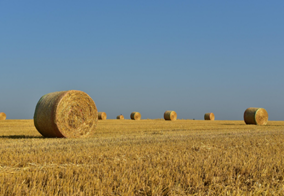
Baler Twine’ How Dew and Humidity Affect Knot Security in Coastal Victoria & Tasmania
Cool, damp conditions can make baling more difficult than expected. In coastal Victoria and Tasmania, dew, fog and high humidity can leave lucerne, clover and other fodder crops with elevated surface moisture. This can affect how baler twine feeds through the knotter, how reliably knots form and how tightly finished bales remain secured. Even when hay appears dry enough to bale, moisture around the twine, crop material and knotter components can change machine performance. Understanding these conditions helps operators choose suitable baling windows, adjust equipment correctly and reduce broken or loose knots.
Why Dew and Humidity Matter During Baling
Dew is especially important during early morning and evening baling. As temperatures fall, moisture can condense on plant material and equipment surfaces. High relative humidity can also slow drying, leaving fodder less suitable for consistent baling.
Moisture can influence the interaction between the baler twine, knotter billhook and compressed crop material. If the twine becomes damp or slippery, the knotter may have more difficulty forming a secure knot. Wet plant material can also increase bale density and resistance during compression.
For producers in coastal areas, conditions can change quickly. A field that was suitable for baling in the afternoon may become too damp later in the day as temperatures drop.
Baler Twine Knotting in Cool Climate Baling
Reliable baler twine knotting in cool climate baling depends on more than selecting strong twine. You must also adjust and operate the baler correctly for the crop and weather conditions.
Before starting, check:
● Twine tension and routing through the machine
● Knotter components for wear, residue or corrosion
● Billhook and knife condition
● Bale chamber settings and pickup performance
● Crop moisture and field conditions
● Twine compatibility with the baler’s knotting system
A knotter that works well in dry afternoon conditions may show problems when crop moisture increases. Operators should watch for partially formed knots, frayed twine ends, inconsistent knot tension, and increased twine breakage.
Choosing the Right Baler Twine
Select twine based on the baler, bale density, crop type, and operating conditions. Synthetic twine is commonly used in applications requiring consistent strength and dimensional stability, and different grades are available for both conventional and high-density baling.
The goal is not simply to use the strongest available product. Baler twine needs to work reliably with the knotter system and withstand the tension generated during bale formation and handling.
Best Baling Practices for Coastal Victoria and Tasmania
Timing can make a major difference when working with moisture-sensitive fodder. Avoid relying only on the clock. Instead, assess the crop and field conditions before starting.
Useful practices include:
1. Wait for surface moisture to clear. Morning dew can make knotting and bale formation less consistent.
2. Monitor changing weather conditions. Coastal humidity can rise rapidly as temperatures fall.
3. Inspect knots regularly. Check the first bales and continue monitoring throughout the run.
4. Keep the knotter clean. Crop residue and moisture can interfere with moving components.
5. Follow manufacturer settings. Correct twine tension and knotter adjustment are essential for reliable operation.
Lucerne and clover can be particularly sensitive to baling conditions because excessive moisture can compromise bale storage quality and machine performance. Silage applications have different moisture requirements, so operators should follow the specifications appropriate to their intended bale and wrapping system.
Preventing Knot Failures in Damp Conditions
Good maintenance is one of the simplest ways to improve reliability. Worn knotter parts can make moisture-related problems more noticeable, while incorrect twine tension can contribute to weak or inconsistent knots.
When changing conditions affect baler twine performance, stop and inspect the knotter instead of continuing to produce poorly tied bales. A small adjustment or replacement of a worn component can prevent repeated knot failures and unnecessary crop losses.
Conclusion
Dew and humidity can influence knot formation, twine handling and overall baler performance in coastal Victoria and Tasmania. Choosing compatible baler twine, maintaining the knotter and selecting an appropriate baling window can help produce consistently secured bales.
For dependable results, inspect your equipment and twine before the season and choose products suited to your baler, crop and operating conditions. Speak with a reputable Australian agricultural supplier if you need help selecting the right twine for cool, moisture-prone baling conditions.
Frequently Asked Questions
1. Does dew affect baler twine knotting?
Yes. Dew can increase surface moisture around the crop and equipment, potentially affecting twine handling and knotter performance.
2. When is the best time to bale in humid conditions?
The best window depends on crop and weather conditions. Operators should generally wait until surface moisture has cleared and assess the crop before baling.
3. Can humidity cause loose baler twine knots?
High moisture can contribute to inconsistent knotting when combined with unsuitable crop conditions, incorrect adjustments or worn knotter components.
4. How can I improve knot security in cool weather?
Use compatible baler twine, maintain the knotter, check twine tension and avoid baling when excessive surface moisture is present.
5. Is baling in Tasmania different from baling in Victoria?
Both regions can experience cool and humid conditions, but local weather and crop conditions vary. Operators should assess moisture levels and baler performance for each field and baling window.


 In this article, we’ll explore the importance of silage covers in Australia, the types available, and how they contribute to operational efficiency and feed quality. For quality