
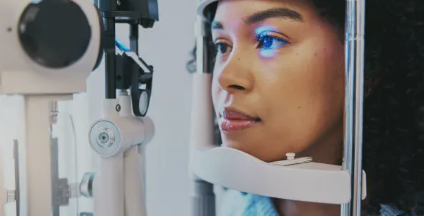
SMILE Laser Eye Surgery Adelaide’ Affordable Payment Plans and What to Expect in 2026
If you are researching vision correction options in South Australia, one of the first questions you may have is how to make treatment affordable. Many people searching for SMILE laser eye surgery payment plans want clear information on costs, flexibility, and value before booking a consultation. In Adelaide, SA, clinics are increasingly offering finance solutions that help patients spread the cost of treatment while accessing advanced technology and experienced surgeons.
Why More Adelaide Residents Are Choosing SMILE Laser Eye Surgery
SMILE Laser Eye Surgery is a minimally invasive vision correction procedure designed to treat short-sightedness and, in some cases, astigmatism. Unlike older laser methods, SMILE uses a small incision and removes a tiny lenticule from the cornea to reshape the eye.
For Adelaide patients, this modern approach is appealing because it often offers:
Fast recovery times
Reduced dry eye symptoms for some patients
No corneal flap creation
High precision technology
Long-term freedom from glasses or contact lenses
With busy lifestyles and rising costs of prescription eyewear, many South Australians see laser correction as a worthwhile long-term investment.
Understanding the Cost of SMILE Laser Eye Surgery in Adelaide
Pricing can vary depending on the clinic, the surgeon’s experience, the technology used, and whether both eyes require treatment. Adelaide clinics may also include pre-operative assessments, follow-up care, and aftercare medications in their packages.
Because SMILE is a premium procedure, many people explore SMILE laser eye surgery payment plans to avoid paying the full amount upfront. It makes treatment more accessible to professionals, students, and families who want a predictable monthly budget.
When comparing providers, always ask what is included in the quoted fee. Lower advertised prices may not always include consultations or post-operative care.
Common Payment Plan Options in Adelaide, SA
Many laser eye clinics partner with finance providers or offer structured instalment plans. Depending on eligibility, you may find:
Interest-Free Short-Term Plans
Some providers offer short repayment periods with zero interest if payments are made on time. These are useful for patients who want to minimise financial costs.
Extended Monthly Repayment Plans
For larger budgets, longer terms with manageable monthly repayments are common. These options can make SMILE laser eye surgery payment plans more practical for working households.
Personal Medical Finance
Specialist lenders may provide healthcare loans for elective procedures, including laser eye treatment. Approval depends on income, credit history, and lending criteria.
Upfront Deposit + Balance Payments
Some clinics allow a deposit followed by staged payments before surgery. It can reduce the amount of financing obtained externally.
Why Payment Plans Can Make Sense Financially
Many Adelaide residents compare laser eye surgery against the ongoing cost of glasses, contact lenses, solutions, frames, and regular optometry appointments. Over several years, those expenses can add up significantly.
Choosing SMILE laser eye surgery payment plans can help spread the investment while allowing you to benefit sooner from improved vision. Instead of waiting years to save the full amount, patients can begin treatment sooner and make monthly repayments.
What to Ask Before Signing a Payment Plan
Not all finance options are equal. Before committing, ask these important questions:
Is the plan interest-free or interest-bearing?
Are there establishment or monthly fees?
What is the total repayment amount?
Are early repayments allowed?
What happens if a payment is missed?
Is surgery refundable if you are not clinically suitable?
A transparent clinic should explain all costs clearly and help you understand your obligations.
Choosing the Right Adelaide Clinic
When selecting a provider in Adelaide, focus on more than just price. Quality care, surgeon expertise, and modern diagnostic equipment are essential for safe outcomes.
Look for clinics that offer:
Comprehensive eye assessments
Experienced refractive surgeons
Clear treatment recommendations
Strong patient reviews
Ongoing aftercare support
Flexible SMILE laser eye surgery payment plans with straightforward terms
A trustworthy clinic will assess whether SMILE is suitable for your eyes rather than pushing one procedure for everyone.
Who Is a Good Candidate for SMILE?
You may be suitable if you:
Are over 18 years old
Have stable vision prescriptions
Are short-sighted, with or without mild astigmatism
Have healthy corneas
Want an alternative to glasses or contacts
A detailed consultation is necessary to confirm eligibility. Some patients may be better suited to LASIK, PRK, or other treatments depending on corneal shape and prescription.
Adelaide Lifestyle Benefits After Treatment
Living in Adelaide means enjoying beaches, festivals, cycling trails, wine regions, and active outdoor living. Many patients appreciate the convenience of clear vision without having to constantly manage glasses or contact lenses.
Whether commuting through the CBD, heading to Glenelg, or exploring the Adelaide Hills, improved unaided vision can simplify daily routines and leisure activities.
Final Thoughts
For many South Australians, laser eye correction is no longer out of reach. With flexible SMILE laser eye surgery payment plans, Adelaide patients can access premium treatment while managing costs sensibly. The key is choosing a reputable clinic, understanding total pricing, and selecting a repayment option that suits your finances.
If you are considering SMILE Laser Eye Surgery in Adelaide, start with a professional consultation. You will receive personalised advice, suitability testing, and a clear explanation of available payment options so you can make a confident decision in 2026.



 Office carpets act like a filter, trapping dust, dirt, pollen, and other airborne particles. Over time, these pollutants accumulate and can be released back into the air through foot traffic or movement, thereby reducing indoor air quality. Poor air quality can lead to respiratory problems, headaches, fatigue, and increased absenteeism.
 Hazardous chemicals are substances that pose health risks, physical dangers, or environmental threats due to their properties. These may include:
 Running a business that requires a consistent supply of clean towels can be challenging. Investing in professional towel services in Adelaide, SA, offers numerous advantages: